
Super Bowl week is the most saturated marketing environment in sports. Every brand is shouting. P&G needed something that would cut through. Not another ad buy, but an entertainment property that audiences would seek out on their own. The format had to showcase NFL talent, integrate P&G brands naturally, and work natively on Twitch and streaming platforms.
The constraint that made it interesting: NFL players who didn’t make the Super Bowl. Stars with time, competitive energy, and no game to channel it into.
“The athletes are the stars. The sport is the variable. Contrast does the rest.”
The creative insight was a contrast effect: take athletes known for extreme physical performance and put them in a sport that demands precision and finesse instead. The competitive stakes drop. The entertainment value spikes. NFL players playing table tennis is inherently watchable because the gap between their identity and the format creates tension that resolves as comedy, rivalry, and genuine surprise.
We designed the show format, graphics, branding, and Twitch integration as a single system. Sponsorship was built into the show’s architecture, not bolted on. Gillette player cards introduced each athlete. Tide moments punctuated key plays. The sponsors weren’t interrupting the show. They were speaking its language.
The production was designed Twitch-first. Chat integration, real-time audience interaction, and streaming-native graphics meant the show felt like it belonged on the platform, not like a TV broadcast awkwardly transplanted to digital.
Players included Trevor Lawrence, Jamaal Williams, Ka’imi Fairbairn, and Trent Taylor, who won the whole thing. The competitive moments were real. The between-games content was designed to let personalities emerge in a way that a football broadcast never allows.
Director Frank Samson called the live show. I led creative development: the format design, the branded integration framework, and the streaming experience layer that made it work as interactive content rather than passive viewing.
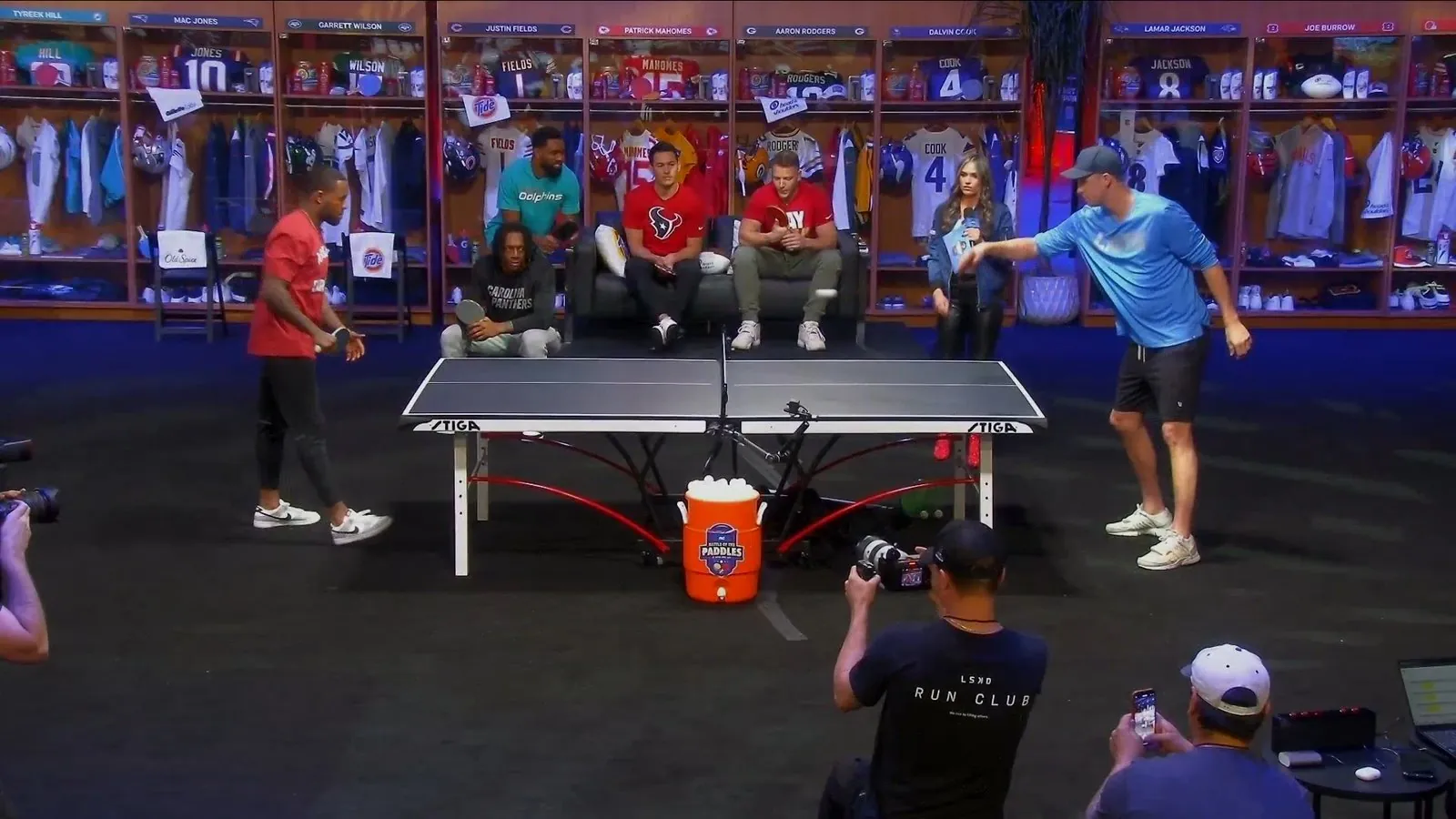
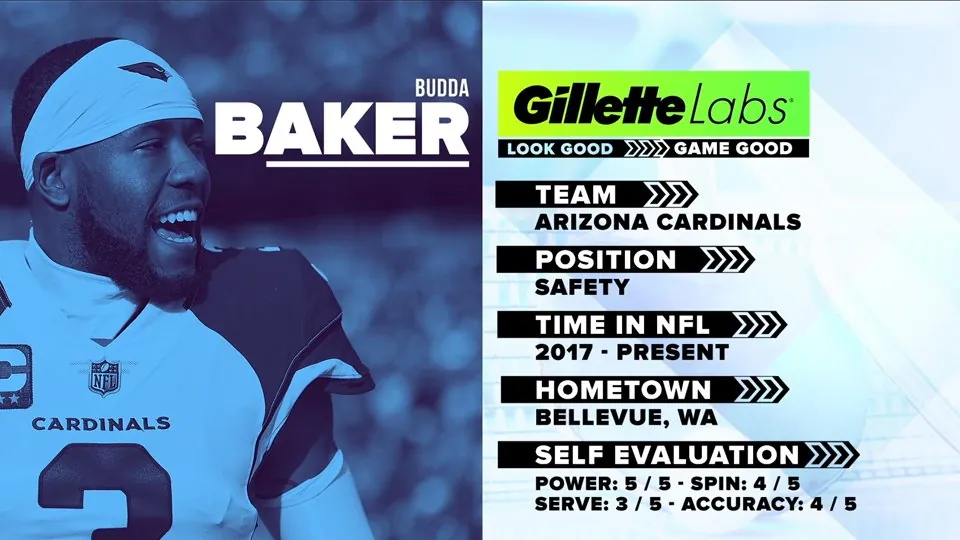
Battle of the Paddles proved that brand-funded content doesn’t have to feel like branded content. When the sponsorship integration is part of the entertainment architecture, not an interruption of it, the audience stops distinguishing between “the show” and “the brand moment.” They’re watching both at the same time.
The NYX Award and Shorty Honoree recognition validated what the viewership already showed: this format worked not because of the NFL association, but because the creative structure was built to generate entertainment value on its own terms.
Credits: Director Frank Samson, Production Boombox Group